
Labeling Neurodivergence: Helpful or Harmful? An Empowering Perspective
When it comes to mental health, few topics spark as much curiosity—and confusion—as neurodivergence. One of the biggest questions people ask is: Are labels like autism, ADHD, or OCD helpful… or do they do more harm than good?
What is Neurodivergence?
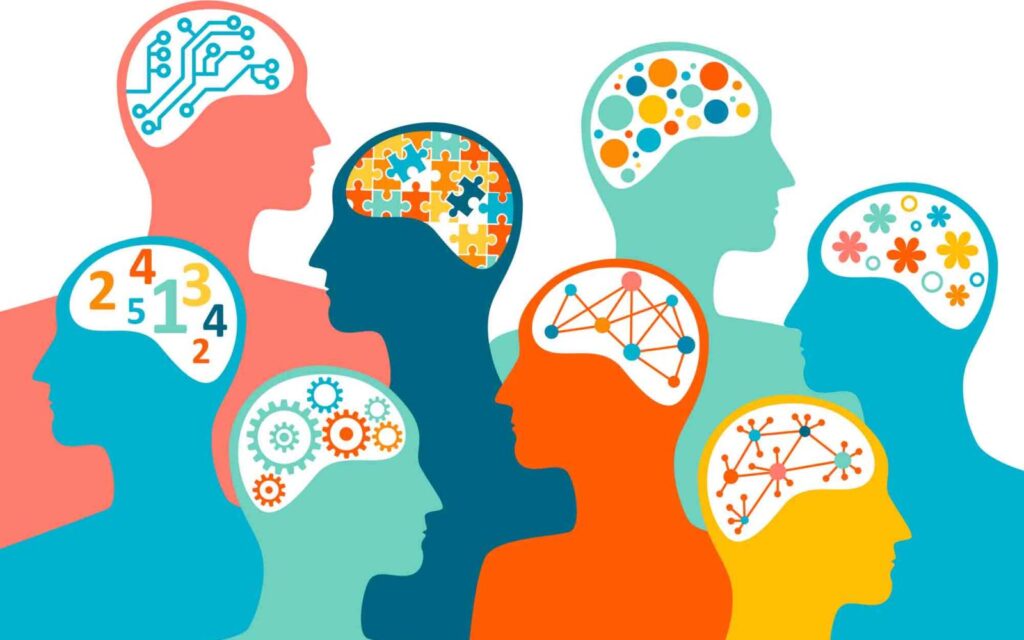
Neurodivergence is a term used to describe differences in brain development that naturally occur – this includes a wide range of differences in how people think, learn, process information, communicate, and experience the world. People who are neurodivergent may have brains that function differently from what’s considered “typical” (sometimes called neurotypical). Instead of viewing these differences as problems to be “fixed,” neurodivergence recognizes them as variations with inherent strengths. Neurodivergent diagnoses include a wide range of profiles, including ADHD, OCD, communication and sensory processing differences, learning disabilities and – importantly – autism. In fact, autism is one of the most well-known forms of neurodivergence.
To Label or Not To Label…
Imagine trying to grab a can of soup from your pantry… but all the labels are missing. You might guess what’s inside—but you won’t really know until you open it.
That’s exactly what navigating neurodivergence can feel like without a diagnosis.
Labels like autism or ADHD help us:
- Clearly understand what’s going on internally
- Identify both strengths and challenges
- Find the right tools, supports, and environments
- Build a sense of positive identity and self-understanding
Instead of limiting people, the right label can be empowering. It gives language to experiences that may have felt confusing or isolating.
And of course, sometimes we need a valid diagnosis to access the correct resources at work, school or in healthcare settings. For instance, insurance rarely covers treatments for autism without a valid diagnosis, provided by a credentialed clinician. Many physicians won’t prescribe medication for executive functioning disorders, like ADHD, without a full assessment and diagnosis. Sometimes labels are necessary to get what we need.
But Labels Don’t Tell the Most Important Information
A correct and clear diagnostic label can only go so far, because of course neurodivergence is a heck of a lot more complex than a can of soup! An accurate label helps in communicating with professionals and getting services, but it doesn’t tell us much about the individual. And understanding someone’s experience in neurodivergence is all about understanding the individual. The communication, cognitive, social, emotional and behavioral patterns typical of neurodivergence all exist on spectrums. If you were to map each of these experiences and characteristics on a 3D model, with each represented on a spectrum that juts out from the center, each neurodivergent individuals’ profile would take a unique shape and dimension. The beauty of neurodiversity is seen in these unique profiles and experiences, this uniqueness is not communicated in a simple label.
So… Are Labels Helpful or Harmful?
The answer is: they can be both—but they’re most powerful when used the right way.
Labels are helpful because they:
✔ Provide clarity and understanding
✔ Unlock access to services and support
✔ Empower identity and self-advocacy
Labels are limited because they:
✖ Don’t capture individuality
✖ Can oversimplify complex experiences
✖ May lead to assumptions if misunderstood
The Bottom Line
Labels aren’t the destination—they’re the starting point. Although diagnoses are important and useful, if we focus too narrowly on the label we are missing the big, beautiful picture, and opportunities to support neurodivergent individuals to live at full potential. At Monarch Behavioral Health we ensure accurate diagnoses are empowering and jumping off point, leading to individualized paths of success and growth.
Ready to Take the Next Step?
If you or someone you love is wondering whether neurodivergence may be part of their story, professional evaluation can provide clarity and direction.
With the right support, insight, and tools, every individual can build a path toward confidence, growth, and well-being.
Because everyone deserves to be understood—not just labeled.
Click here to contact us: https://www.mbh-mi.com/make-an-appointment/
Write a Comment